Emergency Roof Repair in Clearwater
Clearwater is a small railroad-era city southwest of Wichita on the Chikaskia River, with a historic downtown and a mix of older homes and new subdivisions drawing commuters to the metro.
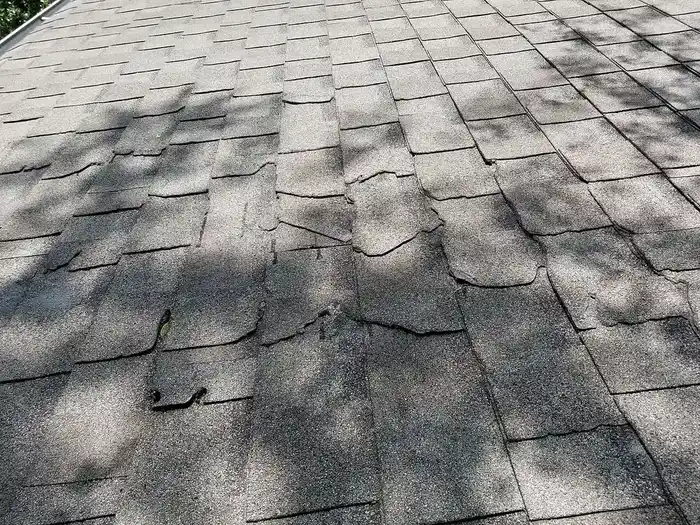
Emergency roof repair in Wichita - storm-opened roofs covered, documented and dried in fast, then rebuilt properly in daylight.
Wind is the second force, and it never fully leaves. Kansas wind works at shingles, ridge caps, flashing and siding edges day after day, and storm outflows arrive with gusts that find every lifted tab and tired seal. A roof's fastening - how it was nailed and sealed when it went on - is its real wind rating, whatever the paperwork says.
The housing stock matches the weather: asphalt shingles on most of the city, from postwar neighborhoods near the rivers to the newer suburbs, metal on rural lots and outbuildings, low-slope and flat systems on mid-century homes and the commercial corridors. Each fails in its own Wichita way - hail for the shingles, fasteners for the metal, drainage for the flat roofs - and the pages here are organized around exactly that.
Any penetration by debris is an emergency: structure, water entry and electrical risk all arrive together.
Bare deck or visible underlayment after wind means the next rain enters the house directly.
Water arriving inside during rain means the roof system is open somewhere above - buckets buy minutes, covering buys days.
A water-loaded ceiling can come down without warning. That room is closed until the water is relieved and the roof is covered.
A broad scatter means a whole slope section let go - not a single tab - and the slope's remaining seal is suspect.
If you can see sky from inside the attic, rain has an open route. That roof gets covered first and scoped second.
The county's storm history writes the emergency calendar. The 1999 outbreak that crossed Haysville and south Wichita, the 2012 tornado on the southeast side, and the ordinary hail-and-wind cells of every spring all teach the same lesson: the covering that goes up in the first day decides the size of the whole job.
Trees are the second author. Wichita's mature neighborhoods hold big elms, ashes and oaks over steep old roofs, and storm wind turns weak limbs into roof penetrations. The emergency list in the historic districts is dominated by tree work as much as by material failure.
The third author is delay. A storm opening tarped and documented in the first days is a repair. The same opening left through two more rain events is a deck, insulation and ceiling project. Emergency response is mostly a race the calendar has already started.
Wichita winters swing: bright mild weeks, then an ice storm or a hard cold snap. Water that works into a crack or under a lifted shingle by day can freeze and widen it by night, snow loads sit on low-slope roofs until a thaw, and ice dams form at the eaves of poorly insulated homes. Winter is inspection and planning season here - the roofs read in winter get fixed in spring, ahead of the storms.
Fall is the repair window. The severe season is past, the weather turns calm and cooler, and there is time to fix what the storms found, replace what the hail retired, and get a roof ready for winter ice. It is also when honest assessments happen, because a dry, cool roof shows its true condition to an inspector.
Spring is storm season in Wichita, and it is roof season too. From March into June, supercell thunderstorms roll off the plains with hail, driving rain and damaging wind, and the roofs that get inspected before the season are the ones that come through it quietly. A spring inspection - fasteners, sealant, edges, drainage - is the single most valuable appointment on the Wichita roof calendar.
The first hour of a roof emergency has its own order: stop the water, protect the people, document everything, commit to nothing permanent yet. Tarps go on weighted and strapped rather than nailed through sound material; ceilings holding water get relieved before they fall; the camera comes out before the ladder does. Crews that keep that order protect both the house and the homeowner's options.
The second act matters just as much. Storm-opened roofs keep drinking water at every later rain until they are permanently rebuilt, and hidden damage - wet insulation, cracked decking under unbroken-looking tile or shingle - does not announce itself. The follow-up inspection after the covering, in dry daylight, is what converts an emergency from a recurring subscription into a closed chapter.
In an emergency, choose the crew that talks about order: safety, covering, documentation, then scope. Beware the mid-storm hard sell of a permanent contract while water is still coming in - the covering is urgent, the contract is not, and any roofer who conflates them is telling you how the rest of the relationship will go.
Wichita sits on the central Kansas plains where the Arkansas and Little Arkansas rivers meet, and plains weather writes the roof calendar here: spring severe storms with hail and straight-line wind, summers hot enough to soften shingle asphalt, and winters that swing from mild days to ice storms. A roof in Wichita is not tested by one climate - it is tested by all of them, in turns, every year.
Hail is the signature threat. Sedgwick County sits in the part of the country where hailstones reach golf-ball size and larger with some regularity, and a single storm can decide the fate of every shingle roof in its path. Bruised, cracked and granule-stripped shingles may not leak the week after a storm - they fail across the following seasons, which is why hail here is an inspection question before it is a repair question.
Power and water risks assessed, sagging ceilings relieved from below where safe, and the room under the damage cleared.
Dated photographs of the damage, the debris and the interior - taken before tarps hide the evidence the claim will need.
Tarps weighted and strapped (not nailed through sound material), or temporary underlayment - a weather-tight cover that holds until permanent work.
A dry inspection maps the full damage - including what the storm hid - and sets the real repair or replacement scope.
Emergencies cannot be scheduled, but they can be prepared for. The steps below are the difference between a storm that costs a tarping and a storm that costs a season - most of them take minutes, in calm weather, before they are ever needed.
The communities around Wichita share its hail tracks and its storms - with their own twists of storm history, acreage and open-country wind.
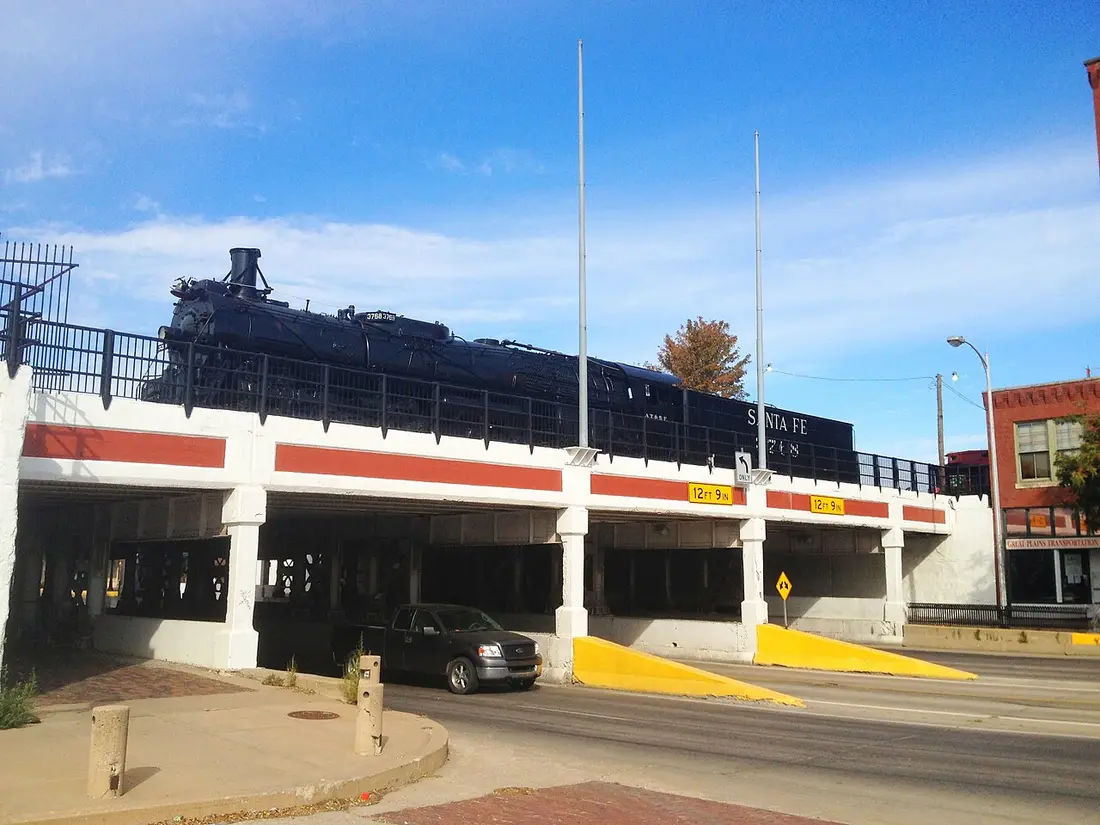
Clearwater is a small railroad-era city southwest of Wichita on the Chikaskia River, with a historic downtown and a mix of older homes and new subdivisions drawing commuters to the metro.
Mulvane is an old railroad town south of Wichita on the Arkansas River, with a preserved Main Street and depot, newer growth near the Kansas Star Casino, and a strong small-city identity.
Rose Hill is a growing Butler County town southeast of Wichita, where newer subdivisions and acreage homes have spread around its schools. It draws families who want country space within commuting range.
Bel Aire is a growing city on Wichita's north edge, built around lakes, parks and newer subdivisions along the K-254 corridor. It has grown from a small community into one of the metro's active family suburbs.
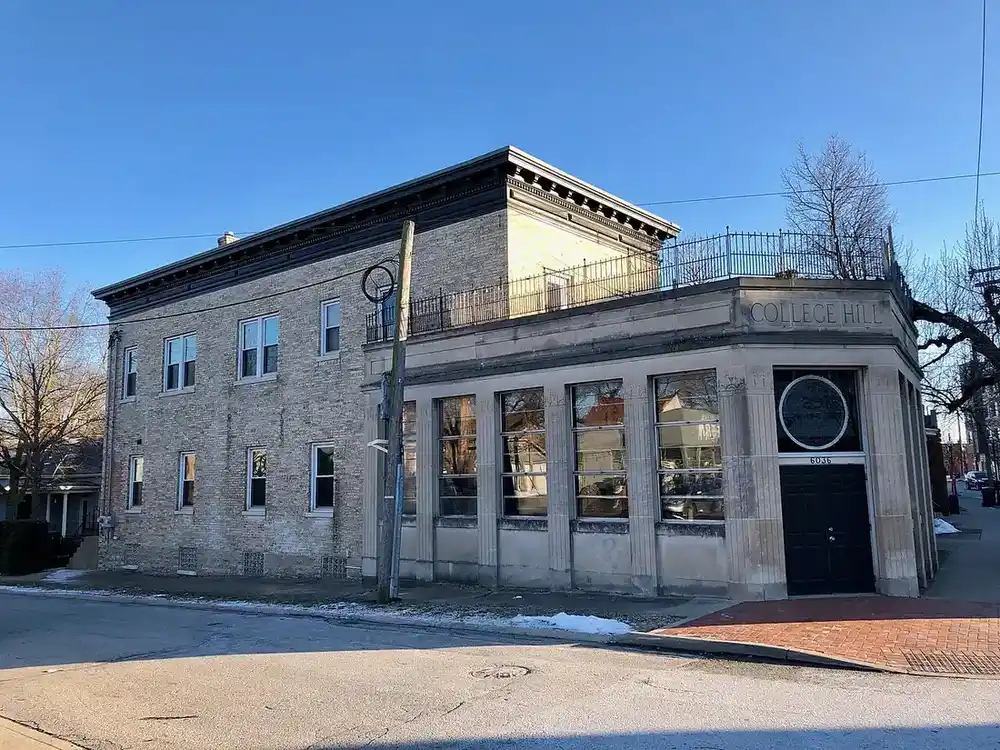
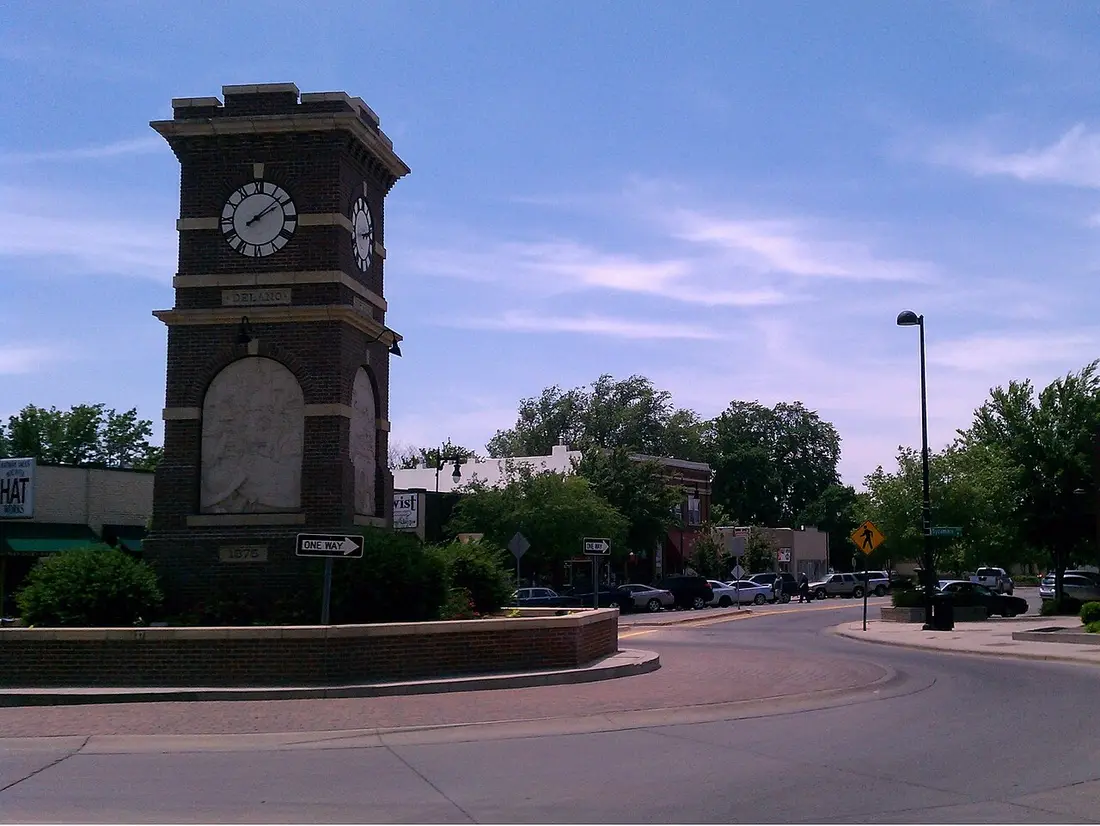
In the historic core and the east side - Riverside, College Hill, Eastborough, Downtown Wichita, Old Town and Delano, Midtown, South Wichita, Planeview, Oaklawn - the housing runs from Wichita's oldest homes to postwar subdivisions, and emergency roof repair follows the storm record: hail-read shingles on the older streets, steep complex roofs on the historic homes, and wind exposure that grows toward the open edges.
Across the east and west growth sides and the north side - East Wichita, Northeast Wichita, Uptown Wichita, West Wichita, Southwest Wichita, Auburn Hills and North Wichita, Benjamin Hills, Northwest Wichita, Derby, Andover, Haysville - sit the subdivision waves of the 1970s onward, the growth-edge neighborhoods and some of the county's busiest hail tracks, which together make this the steadiest emergency roof repair territory in the city.
Beyond the city line, the same work runs in Clearwater, Mulvane, Rose Hill, Bel Aire, Park City, Valley Center, Kechi, Maize, Goddard, Newton, Hutchinson - railroad towns, fast-growing suburbs and county-seat communities where acreage, metal roofs and open-country exposure add their own chapters. Every one of these area pages carries the local detail for emergency roof repair in that community.
Every area we serve has its own Emergency Roof Repair page with local detail.
Emergency Roof Repair runs across the whole service map: Riverside, College Hill and Eastborough; Downtown, Old Town, Delano and Midtown; East Wichita, the northeast growth edge and Uptown; South Wichita, Planeview and Oaklawn; the west side, Southwest Wichita and Auburn Hills; North Wichita, Benjamin Hills and Northwest Wichita; and beyond the city in Derby, Andover, Haysville, Clearwater, Mulvane, Rose Hill, Bel Aire, Park City, Valley Center, Kechi, Maize, Goddard, Newton and Hutchinson. One call covers all of it - the local pages above carry the detail for each. If your street is not named here, call anyway: routes grow with demand, and most Sedgwick County addresses are already within reach of a scheduled run.
After a storm, the damage map must be drawn while it is legible - granule patterns wash, creases settle, debris gets cleared, and every later decision prices itself from the record. Document in order: safety first, then dated photographs of debris, yard, soft metals and interior, then a professional per-slope inspection, all filed under the storm's date.
Read the GuideStorm season does not damage sound roofs - it finds the damage the calm months already did, and delivers hail, wind and driven rain to every weak point at once. Prepare in early spring: test the seals, refasten what lifts, renew split sealant, clear every water path, and take the limbs over the roof down while the weather is calm.
Read the GuideIce dams form when attic heat melts roof snow unevenly - water runs down to the frozen eave, freezes, and backs up under the shingles it was never meant to meet. The fix is thermal, not heroic: air-sealing and insulation to keep the roof deck cold, ventilation to clear what heat escapes, and sound eave details for the dams that still form.
Read the GuideResponse follows the storm's scale: a single-neighborhood event is same-day work, while a county-wide outbreak queues homes by severity - active water entry and structural damage first. The call itself is what starts your place in that queue.
Done properly, no: tarps are weighted and strapped at edges rather than nailed through the field of the roof. The nailed-through method is the one to refuse - it trades one opening for a dozen nail holes.
Dated photos before covering, the covering invoice, the follow-up inspection report with per-slope findings, and the scope for permanent work. That packet is what insurers, buyers and future roofers all work from.
Hail that splits shingles open or breaks through at valleys can admit water immediately; hail that bruises stays an inspection matter. The difference is found on the roof, which is why post-storm inspections are booked fast after big cells.
Any opening that lets weather into the house now: storm-torn sections, tree penetrations, active leaks through ceilings, or deck damage you can see from the attic. Hail bruising without an opening is urgent inspection work, but it is not the same midnight category.
Keep people out of the room under a sagging ceiling, catch drips in buckets, move what water would ruin, and photograph everything before anyone touches it. Then call - the covering crew works faster with your photos in hand.
A properly strapped tarp holds through weeks of weather, but it is a cover, not a roof: UV and wind work it daily. Permanent work should be scoped within days and scheduled as soon as the material and weather allow.
It settles the urgent part: safety, evidence and a dry house. The full scope - especially hail hidden under unbroken-looking slopes, or deck damage under the opening - is set at the follow-up inspection in dry daylight.
One call connects you with a roofing professional serving Wichita and the surrounding communities - inspection, repair, replacement and upkeep.
📞 Call Now