Shingle Roofing in Clearwater
Clearwater is a small railroad-era city southwest of Wichita on the Chikaskia River, with a historic downtown and a mix of older homes and new subdivisions drawing commuters to the metro.
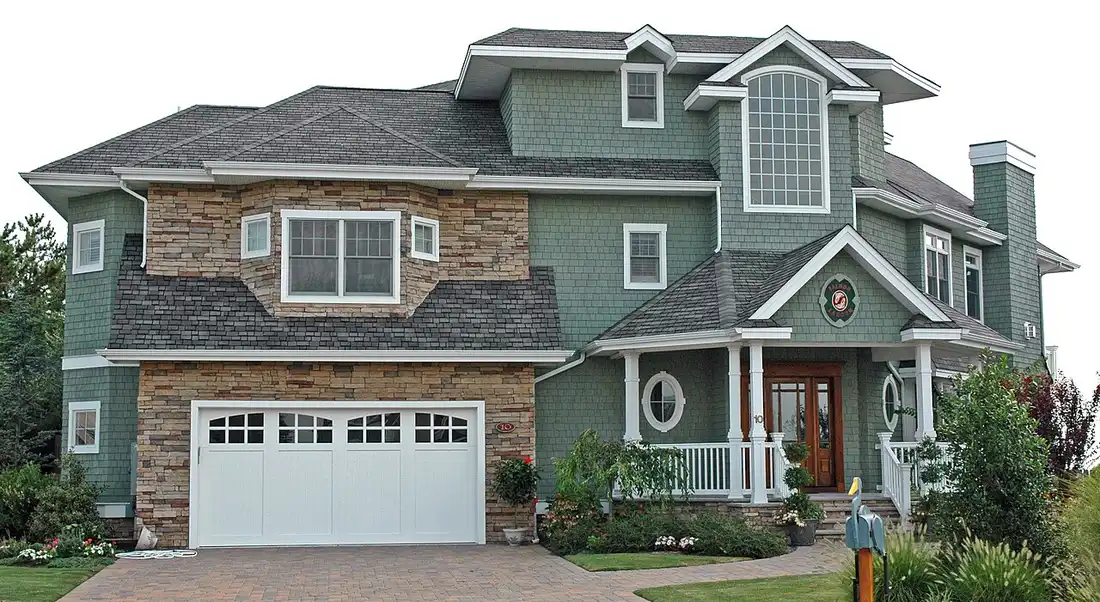
Shingle roofing in Wichita - architectural and impact-resistant shingles installed, repaired and read for hail wear, slope by slope.
Wind is the second force, and it never fully leaves. Kansas wind works at shingles, ridge caps, flashing and siding edges day after day, and storm outflows arrive with gusts that find every lifted tab and tired seal. A roof's fastening - how it was nailed and sealed when it went on - is its real wind rating, whatever the paperwork says.
The housing stock matches the weather: asphalt shingles on most of the city, from postwar neighborhoods near the rivers to the newer suburbs, metal on rural lots and outbuildings, low-slope and flat systems on mid-century homes and the commercial corridors. Each fails in its own Wichita way - hail for the shingles, fasteners for the metal, drainage for the flat roofs - and the pages here are organized around exactly that.
The mineral surface is the shingle's armor against sun and stone; a heavy loss rate means the armor is thinning across the slope.
Spots where granules are gone expose asphalt and mat directly - those shingles age in fast-forward and bruise at the next hail.
Heat and age deform the shingle body; curled tabs catch wind, cracked tabs are entries waiting for driven rain.
A diagonal or horizontal crease is where the wind folded the shingle back and broke the mat - the shingle is present but done.
When tabs lift freely, the wind seal is gone and the next storm does the removing.
Stone strikes fracture the mat under an intact-looking surface; spongy spots under finger pressure are the tell.
Slopes age unequally here, and shingle work has to plan by slope. The south and west slopes take the sun and most of the hail tracks; the north slope of the same roof can be years younger in condition. Blanket verdicts - all good, all gone - usually mean nobody graded the parts.
Attic heat is the quiet half of shingle life. A hot, under-ventilated attic cooks shingles from below, softening asphalt and aging the mat years early, while winter condensation works the deck. Ventilation is not an accessory to shingle roofing in Kansas; it is half the climate system.
Fastening and sealing decide the wind fate. Shingles are a nailed-and-sealed system, and in this county the nail pattern, placement and the integrity of the seal strips are the roof's storm rating in practice. Two identical roofs can have entirely different wind outcomes based on installation details invisible from the street.
Spring is storm season in Wichita, and it is roof season too. From March into June, supercell thunderstorms roll off the plains with hail, driving rain and damaging wind, and the roofs that get inspected before the season are the ones that come through it quietly. A spring inspection - fasteners, sealant, edges, drainage - is the single most valuable appointment on the Wichita roof calendar.
Fall is the repair window. The severe season is past, the weather turns calm and cooler, and there is time to fix what the storms found, replace what the hail retired, and get a roof ready for winter ice. It is also when honest assessments happen, because a dry, cool roof shows its true condition to an inspector.
Summer splits in two: the storm tail of June and early July, when late cells still drop hail on the county, and the long bake that follows, when roof surfaces on a July afternoon run far hotter than the air and shingles soften, coatings cure and age, and attic heat builds under every dark slope. Most hail damage is discovered in summer - the storm did the work in spring, and the leaks report when the shrink-swell of hot days opens them up.
The shingle roof's quiet truth in this climate is slope inequality: the same roof, installed the same week, ages into two roofs - the north slope still serviceable while the south is hail-read and sun-spent. Wise shingle work plans by slope. Sometimes that means a struck-slope replacement while the sheltered side serves on; sometimes the attic ventilation fix that slows the whole system's bake. Blanket verdicts - all good or all gone - are usually a sign nobody actually graded the parts.
Fastening is the other under-discussed half. Shingles are a nailed, sealed system, and in wind country the pattern and placement of those nails and the integrity of the sealant strips are the roof's storm rating in practice. Two identical shingle roofs can have entirely different wind fates based on an installation detail nobody can see from the street - which is why spring damage is so oddly selective between neighbors.
Choose shingle help on slope honesty: the roofer who grades each slope separately, counts layers, and looks in the attic before recommending is the one whose scope you can trust. Ask about fastening patterns for wind and what happens to attic ventilation in the plan - the answers separate installers from roofers.
Wichita sits on the central Kansas plains where the Arkansas and Little Arkansas rivers meet, and plains weather writes the roof calendar here: spring severe storms with hail and straight-line wind, summers hot enough to soften shingle asphalt, and winters that swing from mild days to ice storms. A roof in Wichita is not tested by one climate - it is tested by all of them, in turns, every year.
Hail is the signature threat. Sedgwick County sits in the part of the country where hailstones reach golf-ball size and larger with some regularity, and a single storm can decide the fate of every shingle roof in its path. Bruised, cracked and granule-stripped shingles may not leak the week after a storm - they fail across the following seasons, which is why hail here is an inspection question before it is a repair question.
Granule state, mat flexibility and seal integrity read per slope - the plan uses the worst slope's truth, not the average.
Architectural shingles for the standard case; impact-resistant classes weighed where hail history argues for them.
Nail patterns, placement and sealing set for Kansas wind, with flashing and valleys rebuilt, not reused by default.
Attic ventilation checked and corrected as part of the job - the new roof's life is set as much below it as on it.
Shingle roofs ask for specific habits - watching the sunny slopes, minding the outlets, keeping the attic breathing. The list below is tuned to how shingles actually age under this sky.
The communities around Wichita share its hail tracks and its storms - with their own twists of storm history, acreage and open-country wind.
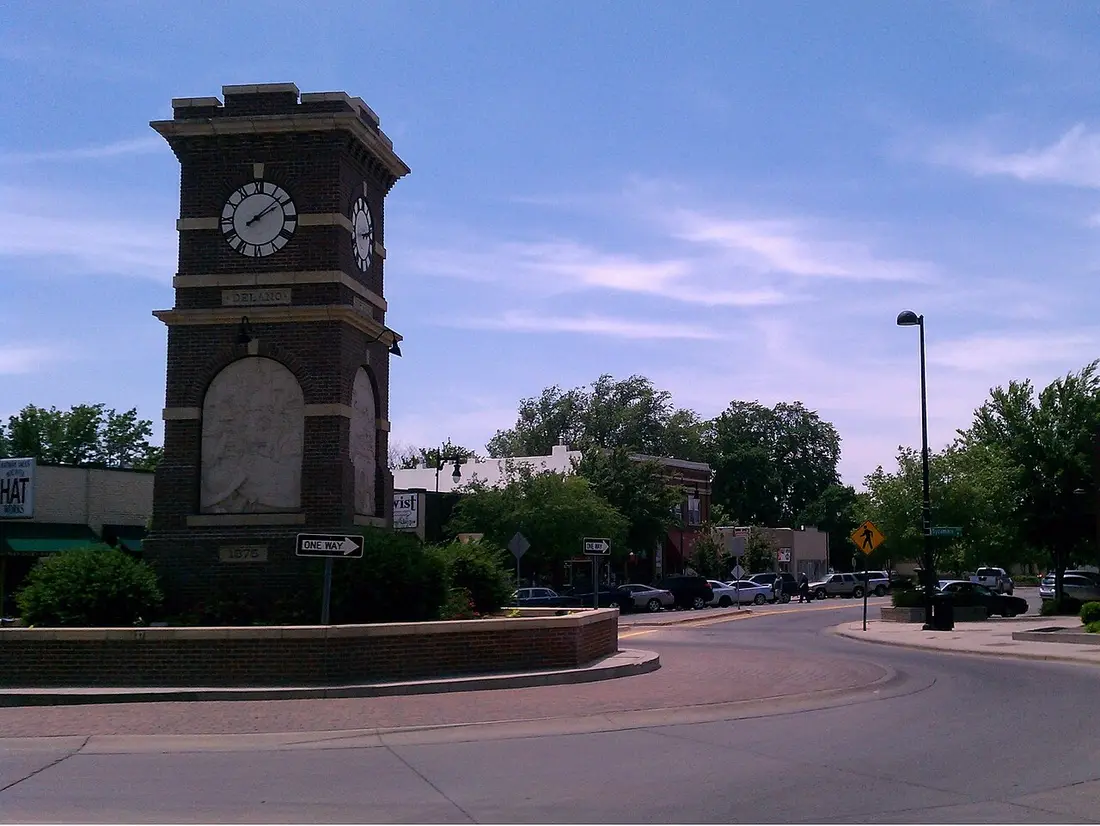
Clearwater is a small railroad-era city southwest of Wichita on the Chikaskia River, with a historic downtown and a mix of older homes and new subdivisions drawing commuters to the metro.
Mulvane is an old railroad town south of Wichita on the Arkansas River, with a preserved Main Street and depot, newer growth near the Kansas Star Casino, and a strong small-city identity.
Rose Hill is a growing Butler County town southeast of Wichita, where newer subdivisions and acreage homes have spread around its schools. It draws families who want country space within commuting range.
Bel Aire is a growing city on Wichita's north edge, built around lakes, parks and newer subdivisions along the K-254 corridor. It has grown from a small community into one of the metro's active family suburbs.
In the historic core and the east side - Riverside, College Hill, Eastborough, Downtown Wichita, Old Town and Delano, Midtown, South Wichita, Planeview, Oaklawn - the housing runs from Wichita's oldest homes to postwar subdivisions, and shingle roofing follows the storm record: hail-read shingles on the older streets, steep complex roofs on the historic homes, and wind exposure that grows toward the open edges.
Across the east and west growth sides and the north side - East Wichita, Northeast Wichita, Uptown Wichita, West Wichita, Southwest Wichita, Auburn Hills and North Wichita, Benjamin Hills, Northwest Wichita, Derby, Andover, Haysville - sit the subdivision waves of the 1970s onward, the growth-edge neighborhoods and some of the county's busiest hail tracks, which together make this the steadiest shingle roofing territory in the city.
Beyond the city line, the same work runs in Clearwater, Mulvane, Rose Hill, Bel Aire, Park City, Valley Center, Kechi, Maize, Goddard, Newton, Hutchinson - railroad towns, fast-growing suburbs and county-seat communities where acreage, metal roofs and open-country exposure add their own chapters. Every one of these area pages carries the local detail for shingle roofing in that community.
Every area we serve has its own Shingle Roofing page with local detail.
Shingle Roofing runs across the whole service map: Riverside, College Hill and Eastborough; Downtown, Old Town, Delano and Midtown; East Wichita, the northeast growth edge and Uptown; South Wichita, Planeview and Oaklawn; the west side, Southwest Wichita and Auburn Hills; North Wichita, Benjamin Hills and Northwest Wichita; and beyond the city in Derby, Andover, Haysville, Clearwater, Mulvane, Rose Hill, Bel Aire, Park City, Valley Center, Kechi, Maize, Goddard, Newton and Hutchinson. One call covers all of it - the local pages above carry the detail for each. If your street is not named here, call anyway: routes grow with demand, and most Sedgwick County addresses are already within reach of a scheduled run.
Impact-resistant shingles are tested to survive simulated large hail without fracturing - the damage class that retires ordinary roofs in this county. Weigh them at replacement time against your street's hail record, your roof's remaining decisions, and the total scope - they are one line in a system that still needs correct fastening and ventilation.
Read the GuideHail fractures shingle mats from within, often invisibly - the roof can look whole from the street while its surface has been spent stone by stone. Read the storm properly: soft metals for stone size, test squares per slope for functional hits, splits separated from bruises, and everything photographed early.
Read the GuideAfter a storm, the damage map must be drawn while it is legible - granule patterns wash, creases settle, debris gets cleared, and every later decision prices itself from the record. Document in order: safety first, then dated photographs of debris, yard, soft metals and interior, then a professional per-slope inspection, all filed under the storm's date.
Read the GuideThree-tabs are the older, flat single-layer style, lighter and shorter-lived. Architectural (laminate) shingles are thicker, layered and textured, with longer service life and better wind performance - they are the standard on Wichita roofs today.
It is the top rating under the UL 2218 test: steel balls dropped to simulate large hail must not fracture the shingle. In hail country it is the meaningful upgrade class, and many owners here choose it at replacement.
Heat and moisture are shingles' slow enemies, and both collect in a closed attic: summer heat cooks the mat from below, winter condensation wets the deck. Balanced intake and exhaust ventilation is what lets a shingle roof reach its rated life.
Roof size, pitch and complexity, the shingle class chosen, layer count coming off, deck repairs found at tear-off, and flashing and valley work. The per-slope grade decides how much roof is actually in the job.
Architectural shingles commonly serve 15 to 25 years here depending on hail history, exposure and attic ventilation - south slopes at the short end. Impact-resistant classes hold their surface better against hail but age by the same sun. The condition read, slope by slope, is the honest number.
In this county they answer the most common damage claim there is. Class 4 impact-resistant shingles are tested to survive large simulated hail strikes without fracturing. They do not make a roof immortal, but they change the outcome of ordinary hail seasons from damage to weather.
Yes, when the hail or wear honestly falls unevenly - a common pattern here. The sound slopes serve on while the spent slope is replaced. The caveat is the deck and flashing at the junctions, which the inspection grades before anyone promises the plan.
Some loss is the roof aging; surges after storms are hail knocking the surface loose; steady heavy loss on a younger roof points at heat - poor attic ventilation cooking the mat. The pattern of loss, read with the roof's age, separates the three.
One call connects you with a roofing professional serving Wichita and the surrounding communities - inspection, repair, replacement and upkeep.
📞 Call Now