The same roof lasts years less in Kansas than in a calm climate - hail seasons, plains wind and summer heat spend a roof's life faster than rain ever will.
Problem: The same roof lasts years less in Kansas than in a calm climate - hail seasons, plains wind and summer heat spend a roof's life faster than rain ever will.
Solution: Know each part's realistic range, grade the parts separately at inspection, and plan renewals (seals, fasteners, coatings) as the mid-life events they are.
When to call: Call when a roof passes its system's local range, when failures start appearing in new places each season, or when you need a documented remaining-life read for a sale or a claim.
Every roof material ships with a lifespan story, and almost none of those stories were written in hail country. The homeowner who plans a Wichita roof by the national numbers - thirty years for this, fifty for that - plans wrong in a consistent direction: the plains spend roofs faster. This guide lays out what local roofs actually give, part by part, and how to read where yours stands.
The Wichita Angle
Wichita sits on the central Kansas plains where the Arkansas and Little Arkansas rivers meet, and plains weather writes the roof calendar here: spring severe storms with hail and straight-line wind, summers hot enough to soften shingle asphalt, and winters that swing from mild days to ice storms. A roof in Wichita is not tested by one climate - it is tested by all of them, in turns, every year.
The Lifespan Table, Translated for the Plains
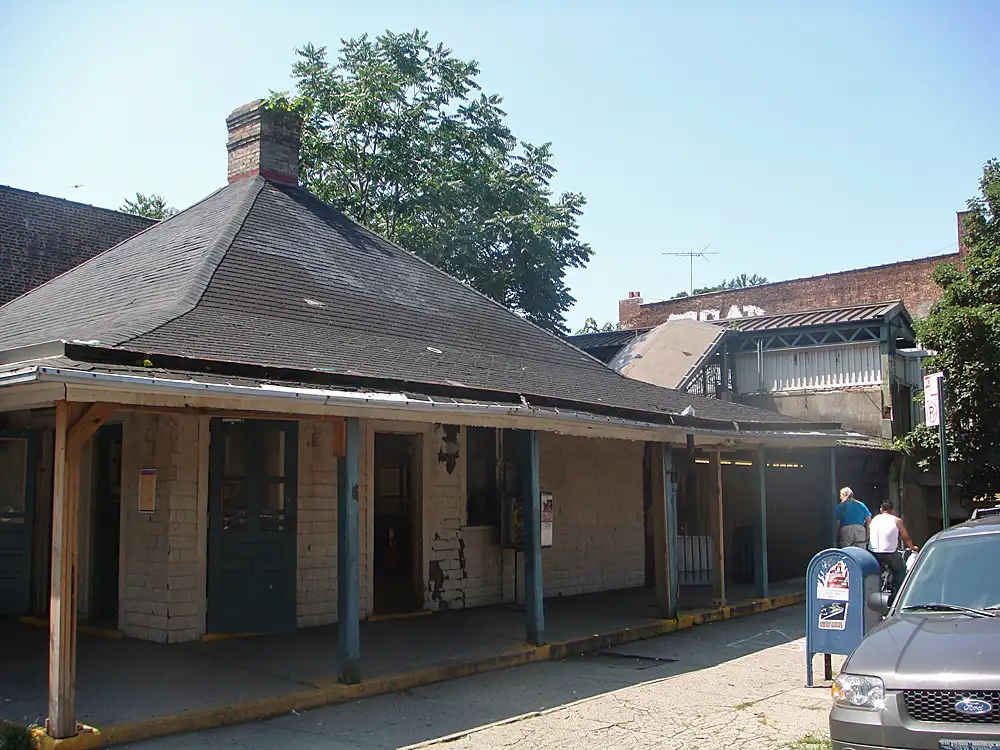
Start with shingles, the metro's most common roof. Architectural shingles sold as 25-to-30-year products commonly serve 15 to 25 years here, with hail history deciding where in that range a given roof lands. Three-tab shingles run shorter. Metal systems run longest - standing seam for decades beyond shingles - provided their fasteners and sealant are renewed at mid-life.
The flat family runs on different clocks. Membranes and built-up roofs give fifteen to twenty-five years depending on system and drainage care, and restoration coatings renew sound assemblies in cycles rather than counting down to a single end. The honest summary: Kansas roofs are not single-lifespan objects. They are bundles of parts on different clocks, and the plan has to follow the fastest one.
Why Hail and Wind Get Votes
Hail is the main spender. Each season's stones fracture mats and strip granules in amounts too small to see from the ground and too steady to ignore across a decade. A roof's hail history - not its birthday - is the strongest predictor of the life it has left, which is why two same-age roofs on the same street can stand ten condition-years apart after different storm luck.
Wind and heat spend what is left. Daily wind works seals and edges; storm gusts collect on the weakest sections; summer surface heat cooks asphalt and attic heat cooks it from below. This is why Kansas roofs so often look 'fine for years, then suddenly old': the spending is invisible until the account runs low, and the failures arrive together when it does.
PROBLEM
→
SOLUTION
How a Roof Tells You Its Real Age
Appearance lies politely; evidence does not. Granule volume at the outlets, the mat's flexibility at a lifted tab, the chalk on a coating, the pattern of past repairs - these date a roof more honestly than its installation year. A roof's paper age and its condition age routinely differ by a decade in this climate, in both directions: sheltered, maintained roofs run young; exposed, neglected ones run old.
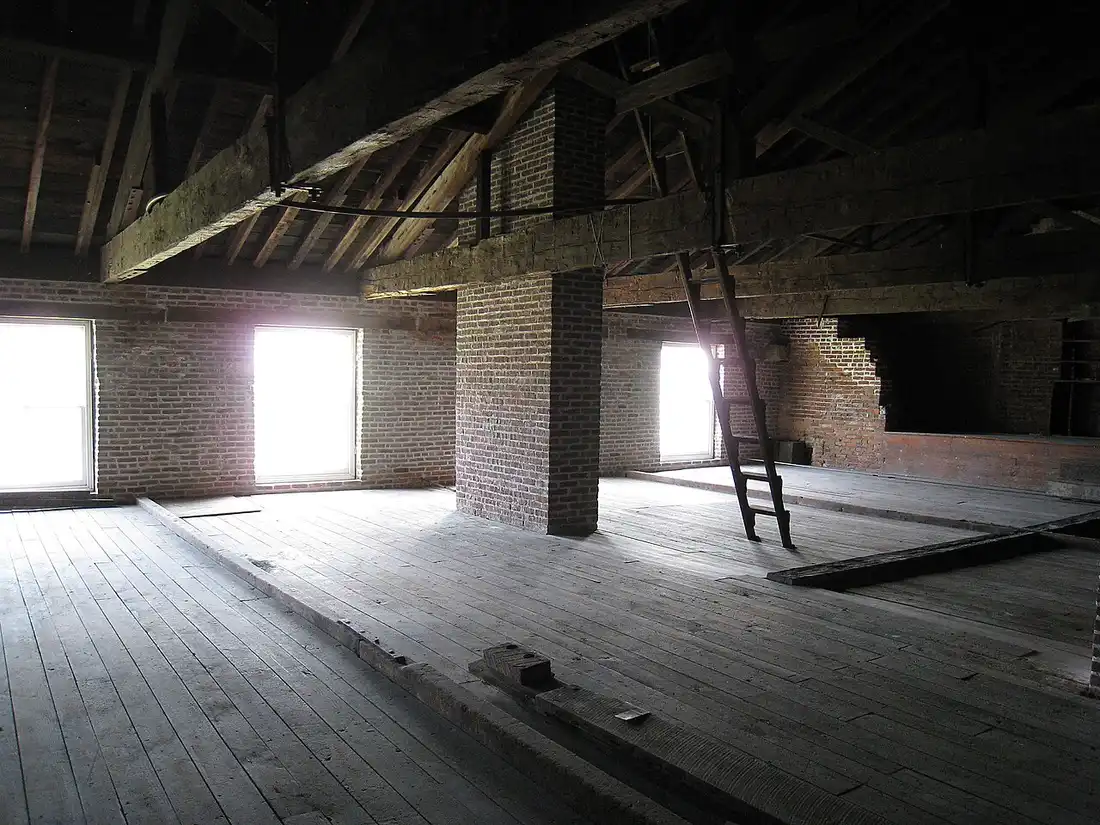
The attic is the other witness. Stains map the leak history, daylight marks the openings, and deck condition records what the surface never showed. When an inspector gives you a remaining-life range, it should be traceable to this kind of evidence, part by part - because that is also the evidence that decides repair-versus-replace arguments later.
Slope by Slope: The Roof Is Several Ages at Once
Walk any older Wichita roof and the map is visible: the south slope granular and tired from sun and hail, the north slope years younger, the west ends somewhere between. Remaining life is therefore a set of numbers, not one - and plans that honor that (a struck-slope replacement while the sheltered side serves on, for instance) extract the full value of every part instead of discarding good years with bad.
The same is true across a neighborhood: identical homes age differently by storm luck, orientation, shade and upkeep. When comparing your roof's fate to a neighbor's, compare slopes and storm histories, not addresses - the variables that decide lifespan are sitting on the roof and in the weather record, not in the year the subdivision opened.
The Renewal Calendar: Lifespans Inside the Lifespan
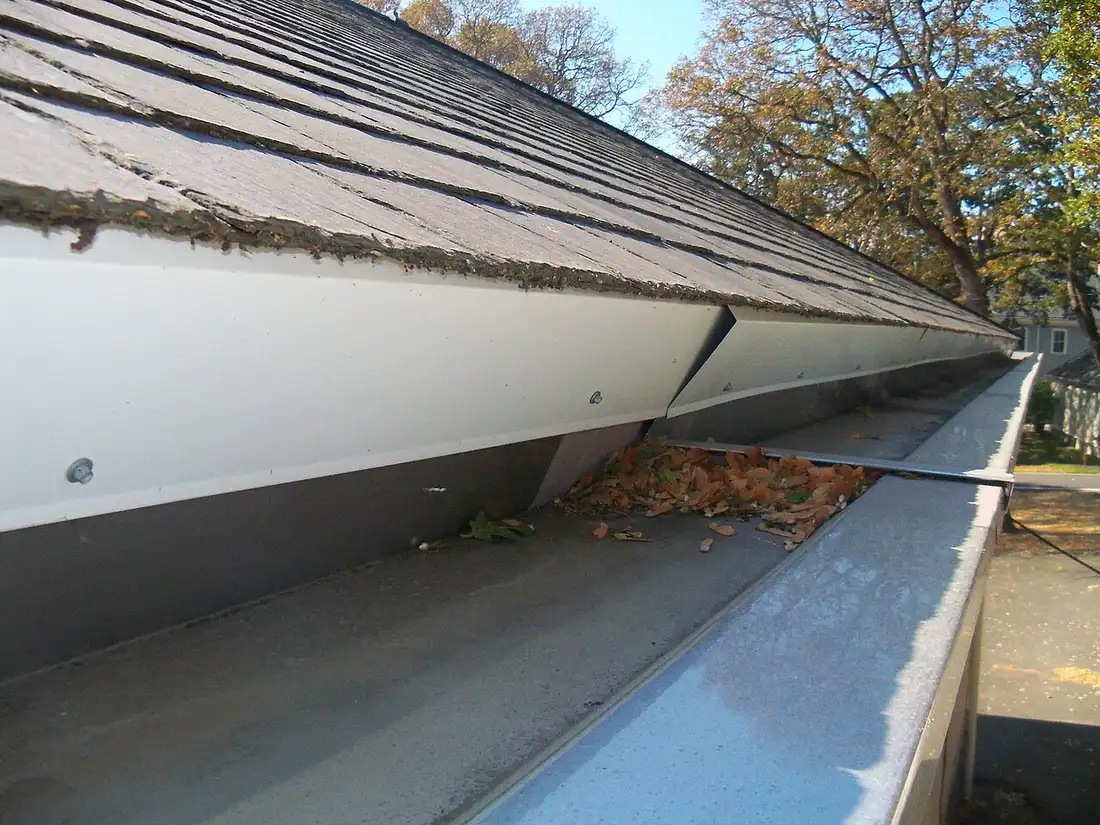
Every roof contains smaller clocks that reset its big one: sealant (years), shingle seal strips (a decade or so), fastener sets on metal (fifteen to twenty years), coatings on flat assemblies (in renewal cycles). Plotted on one calendar, a roof's life stops looking like a countdown and starts looking like a schedule - and schedules, unlike countdowns, can be planned and budgeted calmly.
This is also the answer to the 'how long will my roof last' question that respects the asker: the surface will last as long as its renewals happen and its storm luck holds. The roofs that beat their ranges are not lucky in the end; they are calendared.
Myth vs Fact
The Myth
A roof's lifespan is fixed the day it is installed - a 25-year shingle roof gives 25 years regardless. Owners repeat the label like a law of nature, and plan around the number on the bundle.
VS
The Fact
Lifespan is a range set by climate, storm history and upkeep. The same product serves fifteen years or twenty-five depending on the hail it meets and the care it gets. In Kansas, the label overstates; the condition decides.
The Related Service, In Depth
A serious inspection reads a roof in layers of time. The surface says what the last few storm seasons did. The attic says what the last decade did - every stain is a dated entry in the roof's diary. The paperwork, where it exists, says what was promised and when. Put together, they produce the only number that matters for planning: not the roof's age, but its remaining life, part by part.
That is the service side of this guide's subject. When you are ready, the Roof Inspection page carries the process, the coverage by neighborhood and the number to call.
The Process, Step by Step
Identify your system and its parts
Name the roof correctly - surface, underlayment type, flashing and drainage style - since each carries its own clock.
Grade the parts separately
Surface, waterproofing layer, seals and fastening each get a condition read; the shortest clock sets the plan.
Compare against the plains ranges
Measure your roof's age against Kansas service life, not the packaging - and weight the hail history heaviest.
Schedule the mid-life events
Sealant, fastener sets and coating renewals are calendar items. Put them on one before they become emergencies.
Prevention Checklist
Keep dated inspection reports; a roof's age argument is won with records.
Renew the renewable parts on schedule - seals, fastener sets, coatings.
Watch the south and west slopes; they reach end-of-life years ahead of the rest.
Do not let a single number ('the roof is 15 years old') substitute for a condition read.
Budget by the fastest clock on the roof, not the slowest.
A Field Checklist for Your Own Home
Photograph each slope annually, same season, same angles - the lifespan record builds itself.
Log renewals (seals, fasteners, coatings) with dates in the roof file.
Grade remaining life by the worst slope, plan the budget by the average.
Match every repair material to the roof's age - no twenty-year patches on five-year roofs.
What the Paperwork Should Show
When you request a lifespan assessment, expect a slope-by-slope condition report: surface state per exposure, hail history findings, renewal components and their dates, soft-spot and drainage findings, and a remaining-life estimate stated as a range per slope with the reasoning shown.
You should also receive the renewal calendar - what comes due, in what order, and what waiting would cost - so the roof's remaining years are managed as a plan rather than discovered as emergencies.
How a Professional Works This Problem
A professional reads lifespan the way an actuary reads risk: condition evidence over calendar claims. Slopes are graded individually, hail history is reconstructed from the surface and the street, the renewal parts are dated, and the remaining life comes back as ranges with reasons - numbers a budget can actually stand on. The attic and the paperwork get read with the same care as the surface, because each holds a third of the story.
Mistakes That Make It Worse
Planning by the wrapper's years and being ambushed by the plains' shorter ones.
Judging the whole roof by its best-looking slope.
Letting renewal items (seals, fasteners, coatings) lapse and calling the result 'age'.
No dated file - so every age question becomes an opinion contest.
The Bottom Line
Read your roof's age in storm seasons, not birthdays, and its story gets more manageable, not less: most of what weather takes can be renewed on schedule, and most of what surprises owners was a renewal wearing a disguise. A five-minute call gets the slope-by-slope read started - and turns 'how long do I have?' into a calendar instead of a guess.
After a storm, the damage map must be drawn while it is legible - granule patterns wash, creases settle, debris gets cleared, and every later decision prices itself from the record.
It depends entirely on the system and the condition. Twenty years is late life for shingles with a hail history, mid-life for a sound membrane with renewals kept, and early middle age for standing seam metal with its schedule kept. Age starts the conversation; the inspection's part-by-part grades finish it.
Why did my neighbor's identical roof outlast mine?
Storm luck and upkeep. Hail falls in swaths - one street can take the core of a cell while the next gets rain. Beyond luck, exposure and maintenance separate twins: a roof maintained on a rhythm can outlast its twin by years, and installation quality quietly decides which of two 'identical' roofs is still sound at year twenty.
Can upkeep really add years to a Kansas roof?
Yes - it is the one variable fully in the owner's control. Drainage kept clear, seals renewed, fasteners reset, small damage fixed young: each slows a specific clock. Upkeep cannot rescue a spent surface, but across a roof's life it routinely moves the replacement date by years.
What is the first part of a Kansas roof to fail?
Usually the details, not the field: sealant at penetrations, the seal strips on shingles, fasteners on metal, drainage on flat roofs. That is good news disguised as bad - the parts that fail first are the parts inspection and maintenance reach soonest.
Please note: Wichita Roofing Pros is an independent directory and referral service, not a roofing contractor. The professionals reachable through this site are independent businesses; any agreement for work is between you and the professional you engage. Service information on this site is general educational material - the scope of any real roofing work is set by an on-site inspection.
Hail Marks on the Roof, Shingles in the Yard or a Leak Over the Living Room?
One call connects you with a roofing professional serving Wichita and the surrounding communities - inspection, repair, replacement and upkeep.