Hail Damage to Roofs: A Wichita Homeowner's Guide
Hail fractures shingle mats from within, often invisibly - the roof can look whole from the street while its surface has been spent stone by stone.
Read the Guide
Water enters where it wants and shows where it pleases - the ceiling stain marks the end of the water's journey, not the entry, which can be rooms away uphill.
Problem: Water enters where it wants and shows where it pleases - the ceiling stain marks the end of the water's journey, not the entry, which can be rooms away uphill.
Solution: Trace properly: stain pattern plus weather timing, attic evidence, then the roof above both - in that order, with a water test to confirm before sealing anything.
When to call: Call when a stain appears or grows, when a drip repeats with rain, or when a previous patch has failed - repeating leaks mean the trace was never finished.
Every roofer in Wichita has stood in a kitchen, looked at a brown ring blooming over the table, and listened to the homeowner point straight up: 'the leak is right there.' It almost never is. This guide explains how water actually travels through a roof assembly, how a proper trace works from stain to entry, and how to observe your own leak so the tracing visit is short and conclusive.
Hail is the signature threat. Sedgwick County sits in the part of the country where hailstones reach golf-ball size and larger with some regularity, and a single storm can decide the fate of every shingle roof in its path. Bruised, cracked and granule-stripped shingles may not leak the week after a storm - they fail across the following seasons, which is why hail here is an inspection question before it is a repair question.
A roof is a layered slope, and water respects the layers. Entering at a failed flashing, a hail-split shingle or a dammed valley, it runs down the underlayment's surface, follows the deck's seams, and rides rafters and top plates sideways - sometimes across whole rooms - before gravity finds a ceiling joint, a light fitting or a wall cavity to drop through. The stain is the drain point of a small hidden river system.
Weather timing is the leak's confession. Leaks that appear only in hard, wind-driven rain point at entries wind can push water into - lifted tabs, flashing joints, valley edges. Leaks in any steady rain suggest a more open entry. Leaks that lag the rain by a day often involve saturated insulation or long travel paths. Each pattern narrows the map before anyone climbs.
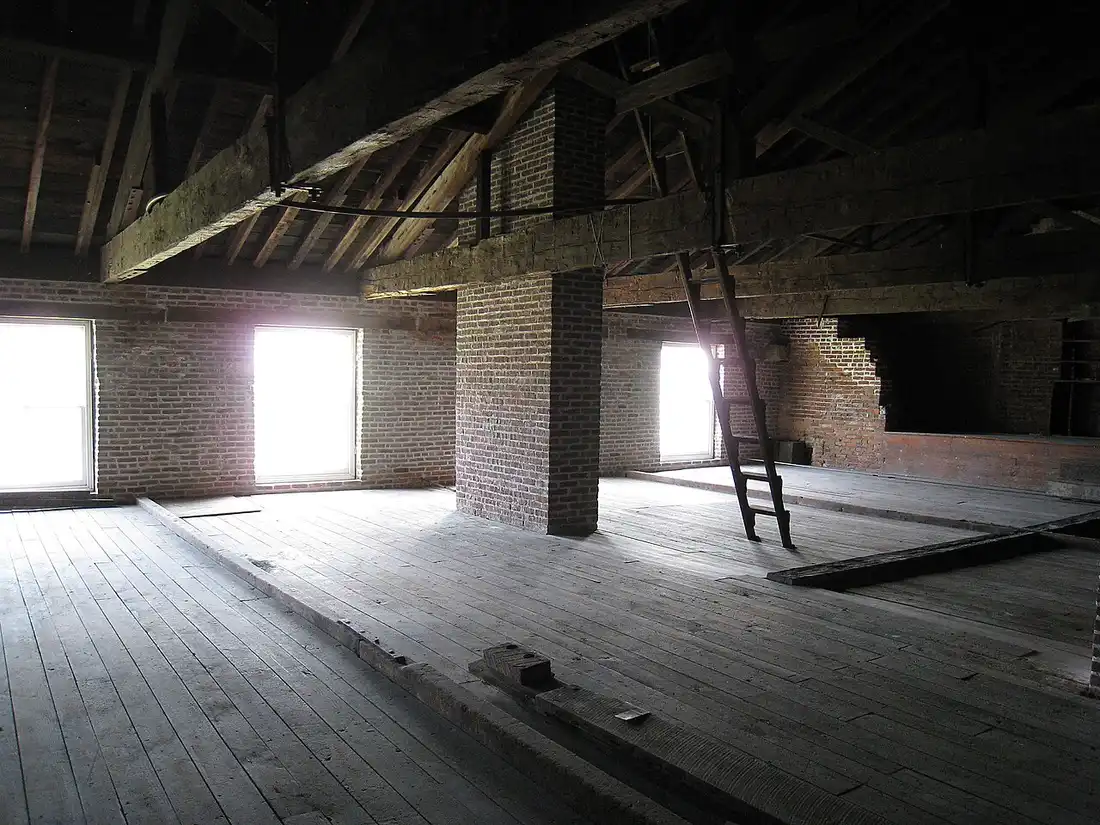
The trace works the evidence in order. In the attic: stain rings and water tracks on the deck's underside, damp insulation, the daylight check at penetrations. Above, on the roof: the slope region the attic evidence points to, read for splits, creases, failed seals and detail failures - uphill from the stain, always uphill.
Where the evidence is ambiguous, the water test settles it: a hose run in controlled sections, low to high, with a watcher in the attic, reproduces rain without storm noise and flags the exact entry when the drip starts. It is slow, unglamorous and conclusive - the difference between a repair and a guess with sealant on it.
The classic failure is sealing at the stain's vertical: sealant spent on sound shingles above a dry ceiling while the true entry, two rafters uphill, keeps drinking. The second classic is sealing the entry's neighborhood - the valley, the flashing run, the whole slope section gets attention because the exact joint was never isolated. Both look like work. Neither is a trace.
The third failure is timing: a patch applied to a hail-tired or aged surface that is failing in ten places gets credited with fixing 'the leak', and the next entry over opens next season. A proper trace grades the surrounding surface too, and tells you when the leak is a symptom of a slope's end rather than an isolated event - so the repair money lands once, in the right place.
A fair share of 'roof leaks' in Wichita homes enter through the roof's neighbors: cracked chimney crowns and failed counter-flashing on the masonry side, siding joints above the roof line, window heads on dormers, and plumbing vents whose leak is the pipe, not the boot. The trace that stops at 'somewhere up there' misses these; the trace that reads the whole intersection finds them.
Condensation completes the impostor list. In cold snaps, attic moisture from the house below can frost the deck's underside and drip on thaw like a textbook leak. The giveaway is timing - cold without rain - and the cure is ventilation and air-sealing, not shingles. A tracer who checks the weather pattern against the drip pattern catches it in one visit.
The hose test is unfashionable because it is slow: sections wetted in sequence, low to high, an observer in the attic, patience while the assembly's travel time runs. But it converts the leak from testimony into demonstration - this section, this joint, this drip, repeatable on demand. Repairs scoped from a demonstrated entry hold; repairs scoped from a plausible story hold only when the story was lucky.
Homeowners can help the test work: attic access cleared, the stain's history ready, and nothing sealed or disturbed since the leak last showed. Every well-meaning pre-visit patch erases evidence the test would have used, which is why the guide's standing advice is photographs, not sealant.
Leaks obey a rule roofers learn early: water enters where it wants and shows where it pleases. It can enter at a vent on the ridge and appear as a stain two rooms downhill, having ridden a rafter the whole way. Repair work is therefore a tracing discipline - from the stain upward, through the attic's water-marked wood, to the entry - and its quality is measured by whether the leak's story was actually solved, not by how much sealant was spent near the stain.
That is the service side of this guide's subject. When you are ready, the Roof Repair page carries the process, the coverage by neighborhood and the number to call.
When it drips, what the weather is doing, where exactly it shows - notes and phone photos with dates.
Stain tracks, daylight and deck state narrow the search to a slope region.
Controlled hose work, low to high, confirms the entry before any material is opened.
The fix at the true source, and the trace recorded so any future leak starts from knowledge.
Note the weather pattern of every drip - wind, steady rain, or thaw - before you call.
Photograph stains at first appearance and again as they change.
Keep the attic hatch clear and reachable year-round.
evidence first, sealant after the trace.
A tracing visit should end with the entry named and shown - the joint, split or detail that admits the water - supported by the attic evidence and, where used, the water-test result.
It should also grade the surface around the entry, so you learn whether the leak is an isolated event or the first report of a slope's end. Both answers change what the repair money should do.
A professional trace is disciplined and a little slow: history taken from the owner (weather pattern, first sighting), attic read for tracks and daylight, the uphill slope region examined, and a section-by-section water test wherever the evidence leaves doubt. The entry is demonstrated, not inferred, and the surrounding surface is graded in the same visit so the repair decision knows its context.
Sealing above the stain and declaring victory.
Patching wider instead of tracing better when the first fix fails.
Ignoring the condensation impostor and re-roofing a ventilation problem.
Disturbing the evidence - patches and cleanups - before the trace is done.
A leak is a message with an address written in a code of stains, weather and travel paths. The trace reads the code. If your ceiling is talking, the worst response is a guess with a sealant gun - and the right one is a call that starts in the attic.
Hail fractures shingle mats from within, often invisibly - the roof can look whole from the street while its surface has been spent stone by stone.
Read the GuideAfter a storm, the damage map must be drawn while it is legible - granule patterns wash, creases settle, debris gets cleared, and every later decision prices itself from the record.
Read the GuideBecause wind pushes water uphill under tabs and into joints that shed vertical rain perfectly well. Wind-only leaks point at lifted shingles, flashing joints and valley edges - entries with a direction, which is itself a tracing clue.
Yes - winter attic condensation from poor ventilation or bathroom fans venting into the attic can drip and stain like a leak. The patterns differ (condensation favors cold snaps over rain events), and the attic read separates them. Both are worth fixing; they are different fixes.
A straightforward trace - attic read plus the slope above - fits in a single visit. Stubborn ones with long travel paths or intermittent weather patterns can need the hose test or a second visit in the right rain. Honest roofers say which case yours is after the first read.
It is the one thing the evidence argues against. Sealant on the wrong spot can dam water into new paths, bury the entry's evidence under a smear the tracer must read through, and convert a one-visit diagnosis into two. Photograph instead - the photo helps; the sealant hinders.
One call connects you with a roofing professional serving Wichita and the surrounding communities - inspection, repair, replacement and upkeep.
📞 Call Now