New-roof cost is not a number a directory can honestly print - it is the sum of your specific roof's size, pitch, layers, deck state and material choice.
Problem: New-roof cost is not a number a directory can honestly print - it is the sum of your specific roof's size, pitch, layers, deck state and material choice.
Solution: Understand the factors, insist on a measured inspection behind any quote, and compare scopes line by line - the differences between quotes live in the invisible lines.
When to call: Call when you are collecting replacement quotes and want a scope you can compare, or when a number arrived without anyone measuring your roof.
Every homeowner asks the same question first, and every honest roofer gives the same unsatisfying answer: it depends on the roof. This guide makes that answer useful. It lays out every factor that builds a replacement price in Wichita - so you can read quotes intelligently, spot the ones that skipped the measurement, and understand why two numbers for 'a new roof' can both be honest and far apart.
The Wichita Angle
Wichita sits on the central Kansas plains where the Arkansas and Little Arkansas rivers meet, and plains weather writes the roof calendar here: spring severe storms with hail and straight-line wind, summers hot enough to soften shingle asphalt, and winters that swing from mild days to ice storms. A roof in Wichita is not tested by one climate - it is tested by all of them, in turns, every year.
The Roof Itself: Size, Pitch, Complexity
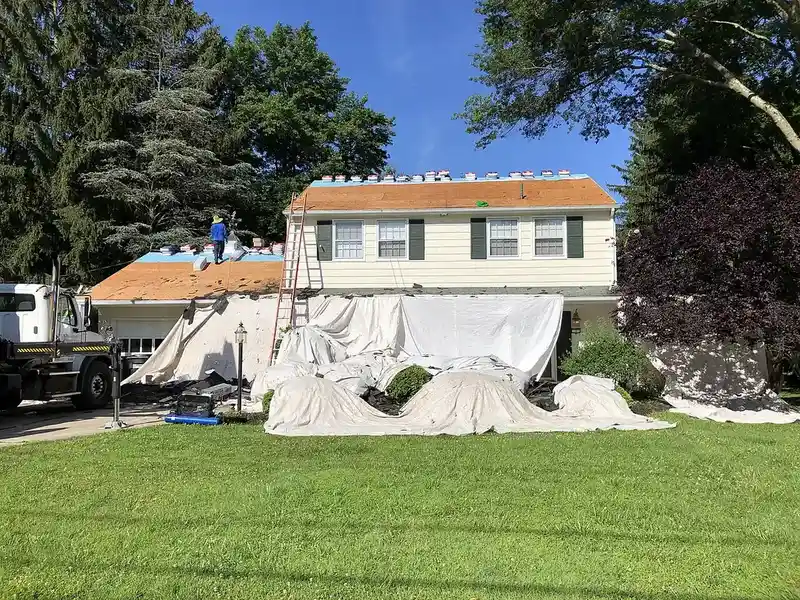
Roofing is measured in squares - hundred-square-foot units - and the measured area of your roof, not your home's floor area, is the base number. Pitch multiplies the labor and safety side: steep roofs are slower, harder work. Complexity multiplies it again: every valley, dormer, hip and intersection is handwork where leaks are born and craftsmanship is spent.
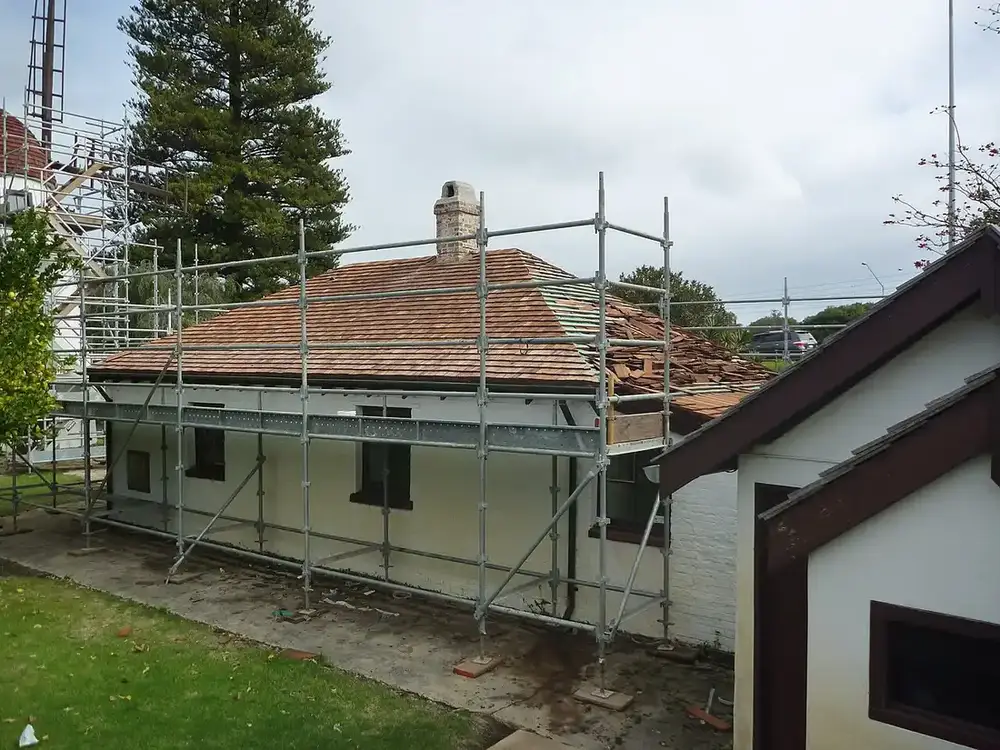
Access belongs in the same conversation. Two-story heights, tight lots, landscaping and fences around the work zone all shape how a crew stages tear-off and materials. None of these factors is a surprise fee - they are the geometry of your specific roof, and a quote that never measured the geometry is not a quote about your roof.
What Comes Off and What Is Underneath
Layers are the second driver: a single layer tears off faster than two or three, and each layer is disposal weight. Under the layers sits the variable nobody can price from the street - the deck. Rot, storm cracks and patched history are revealed at tear-off, and honest scopes price the known work with stated terms for the deck findings, rather than pretending the unknown away.
The details ride with the tear-off: flashing at chimneys and walls, valley material, drip edge, and the ventilation corrections a good scope includes. Reusing tired flashing to hold a number down is the classic false economy - the new roof then inherits the old roof's weakest parts at their oldest age.
PROBLEM
→
SOLUTION
The Material Decision and the Storm Question
Material choice is the owner's main lever: standard architectural shingles, impact-resistant classes, metal systems, or a flat-roof assembly each carry their own material and labor profile, and their own service-life math under Kansas weather. The comparison that matters is cost against expected years in this climate, not cost alone.
Finally, timing and scope integrity move real money. A planned replacement in a calm window is a different job from an emergency one mid-storm-season. And quotes should be compared line by line - underlayment type, flashing treatment, ventilation, deck terms - because the lowest total is often just the scope with the most lines quietly missing.
The Two Numbers Inside Every Quote
Every replacement quote contains a visible number and an invisible one: the price of the work described, and the price of the work omitted. Missing flashing renewal, skipped ventilation correction, deck repairs left to 'we'll see' - the omissions do not vanish; they return as change orders mid-job or as failures inside the new roof's first years. Comparing quotes without surfacing the invisible number is how the apparently expensive quote turns out to have been the honest one.
The cleanest defense is a written scope checklist requested from every quoter: measured squares, layers off, underlayment type, flashing treatment, valley and drip-edge work, ventilation, deck-repair terms, disposal, and the material class by name. Nine lines. Quotes that answer all nine can be compared; quotes that will not answer them have told you their invisible number is large.
How Storm Country Changes the Math
Wichita adds a factor calm-climate guides omit: the replacement decision here is partly a storm decision. Choosing the standard class resets the same hail countdown the old roof just finished; choosing impact resistance changes the next decade's expected repair bills. Neither answer is automatic - the street's hail record and your years-in-this-home horizon decide - but a Wichita quote conversation that never mentions hail is missing the local variable entirely.
Timing is the other local factor: scopes written from a calm-season inspection, for work in a calm window, are simply better documents than scopes written off a ladder in a storm queue. When the roof's condition allows waiting for the window, the wait is worth money and quality both.
Myth vs Fact
The Myth
A new roof has a going rate per square foot, and quotes far above it are padding. The rate idea survives because it makes an unmeasured job sound measurable.
VS
The Fact
Per-square pricing hides every variable that decides the real job. Pitch, layers, deck state, flashing count and material class move the true cost by multiples. The measured scope is the price; everything else is an advertisement.
The Related Service, In Depth
A replacement is the one roofing job that resets every clock at once - surface, underlayment, flashing, fastening - which is why its timing matters so much. Done a few years early, it merely trades a short remainder of old-roof life for a long new one. Done a storm too late, it arrives after water has taxed the deck, the insulation and the ceilings, and part of the budget goes to repairing the house instead of roofing it.
That is the service side of this guide's subject. When you are ready, the Roof Replacement page carries the process, the coverage by neighborhood and the number to call.
The Process, Step by Step
Get the roof measured, not estimated
Squares, pitch and complexity recorded from the roof itself.
Ask what the tear-off terms are
Layer count assumed, disposal, and how deck repairs found underneath are priced and approved.
Compare scopes line by line
Underlayment, flashing, valleys, ventilation and material class - matched between quotes before totals are compared.
Decide on service-life math
Price divided by honest Kansas years for each material option - the comparison this climate demands.
Prevention Checklist
Keep your roof's paperwork from any past work; it answers half the scoping questions.
Budget the contingency for deck findings on older roofs - the tear-off always has a vote.
Do not let a quote expire-pressure you; measured scopes survive a week of thought.
Photograph the tear-off if you can - the deck record belongs in your file.
Ask every quoter the same questions so the answers can actually be compared.
A Field Checklist for Your Own Home
Get every quote on the same nine-line scope checklist so totals can be compared.
Ask each quoter how deck findings are priced before the tear-off begins.
Confirm flashing, valley and ventilation treatment in writing - the invisible lines.
Divide price by honest Kansas service years for each material before choosing.
What the Paperwork Should Show
A replacement scope you can rely on states the measured area and pitch, layers to be removed, deck-repair terms, underlayment and eave protection, flashing and valley treatment, ventilation work, the material by name and class, and disposal.
Anything not stated is not included - that is the rule that makes competing scopes readable and the eventual job unsurprising.
How a Professional Works This Problem
A professional quote is a measured document: the roof climbed and counted, layers and deck risks named, the nine scope lines answered in writing, and deck findings governed by terms agreed before the tear-off. The number at the bottom is the least interesting part of such a document - the lines above it are the ones that decide what you actually bought.
Mistakes That Make It Worse
Comparing totals from scopes that include different work.
Accepting a number nobody measured a roof to produce.
Letting flashing and ventilation be 'reused' silently to hit a price.
Signing under storm-season pressure a scope nobody read.
The Bottom Line
No directory can honestly print your roof's price, and any that does is selling something other than accuracy. What you can own is the factor list and a measured scope - with those two, every quote becomes readable and the decision becomes yours in fact, not just in form.
After a storm, the damage map must be drawn while it is legible - granule patterns wash, creases settle, debris gets cleared, and every later decision prices itself from the record.
Storm season does not damage sound roofs - it finds the damage the calm months already did, and delivers hail, wind and driven rain to every weak point at once.
Because the square is not the job. Two roofs of identical area differ by pitch, layers, deck state, flashing count and material - easily doubling or halving the real work. A per-square figure quoted blind is a marketing number, and the correction arrives later, at your expense.
Why did my two replacement quotes differ so much?
Usually scope, not greed: one includes new flashing, ventilation correction and deck terms, the other quietly reuses or omits them; or the material classes differ. Line the scopes up side by side and the totals usually explain themselves.
Does hail damage change what my replacement costs?
The replacement itself is priced from the roof's factors either way. What hail changes is the conversation around who pays - your insurer's current policy terms govern that, and your documented inspection is the input. The scope should be drawn from the damage map regardless of the payer.
When does a roof replacement cost the least in Wichita?
Planned work in calm windows beats emergency work in storm season on both price pressure and quality of scheduling. The larger saving, though, is replacing at the right time in the roof's life - before deck and interior damage join the bill.
Please note: Wichita Roofing Pros is an independent directory and referral service, not a roofing contractor. The professionals reachable through this site are independent businesses; any agreement for work is between you and the professional you engage. Service information on this site is general educational material - the scope of any real roofing work is set by an on-site inspection.
Hail Marks on the Roof, Shingles in the Yard or a Leak Over the Living Room?
One call connects you with a roofing professional serving Wichita and the surrounding communities - inspection, repair, replacement and upkeep.